What are trigger points?
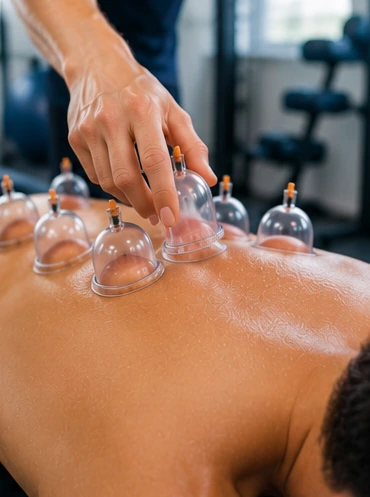
Trigger point is a term used for a tender muscle spot that may reproduce familiar pain. Gentle pressure may give short-term relief, but tenderness alone does not establish the cause of pain.
Your practical self-care plan
-
Start with assessment
Know the area
Ask your physiotherapist to check persistent symptoms and show a suitable muscle area. Do not assume every painful lump, swollen area or spreading pain is a trigger point.
-
Apply light pressure
Stay in control
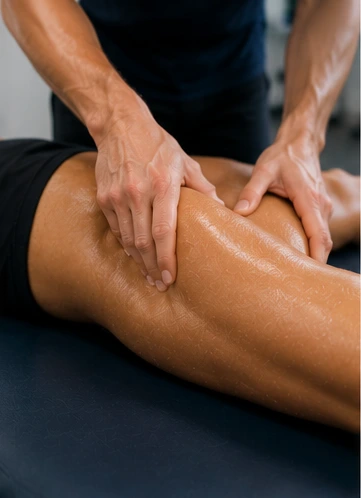
Use your fingers or a soft ball against a wall at a site your physiotherapist has demonstrated. Apply gentle, tolerable pressure. You should be able to breathe normally and release pressure easily.
-
Ease off
Less can be enough
Try a brief application, then let go and reassess. Do not press harder to force a release. Stop for sharp pain, tingling, numbness, dizziness or skin changes.
-
Follow with movement
Build the bigger plan
Use gentle movement afterwards. Your physiotherapist can combine any helpful symptom relief with appropriate exercise, activity changes and recovery. Repeatedly pressing the same sore spot is not a complete rehabilitation plan.
Keep expectations realistic
Some people feel less tender after massage, but responses vary and evidence is limited. A temporary change does not confirm that a knot has been removed or the underlying problem cured.
Self-care has limits
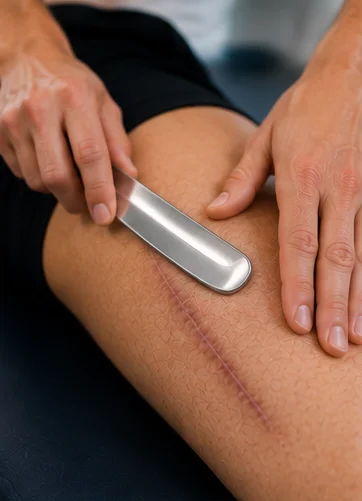
This sheet covers gentle manual pressure, not dry needling or injections. Do not use needles yourself. Avoid aggressive tools and ask your physiotherapist before treating a sensitive area.
When to get medical help
Check before treatment: blood-thinning medicines, easy bruising, fragile bones, reduced sensation or recent surgery. Avoid wounds, bruises, fresh injuries and direct pressure over bones, joints or the neck.
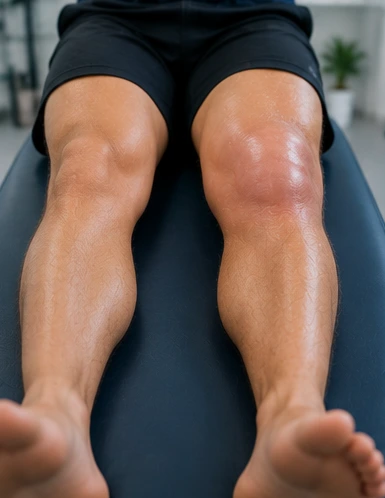
Seek assessment instead: an unexplained lump, persistent night pain, spreading pain, weakness or numbness. A new hot, swollen limb needs urgent GP / NHS 111 advice; do not massage it.
Stop if symptoms worsen: bruising, lasting pain or new nerve symptoms are reasons to stop and seek advice. Sudden chest pain or breathlessness with limb swelling needs emergency help: call 999.