Why recovery matters
Recovery helps you refuel, rest and prepare for your next session. The right amount depends on the effort, conditions and your training history. An injury or illness needs more than a recovery routine.
Your recovery plan
-
Straight after
Ease down & check in
If you feel well, finish with a short easy walk and settle your breathing. Check for injuries and heat illness. Get out of wet kit and into a comfortable environment. Tell your physiotherapist about any pain that feels different from normal tiredness.
-
Refuel & rehydrate
Food & fluids first
Have a meal or snack with carbohydrate and protein, such as yoghurt and fruit or a sandwich, and drink regularly. Your physiotherapist can give practical guidance on nutrition and hydration for your training and recovery, and a sports dietitian can tailor it further.
-
That evening
Protect your sleep
Make time for a full night’s sleep and a calm wind-down. Limit alcohol and late caffeine. Your physiotherapist can advise on sleep and recovery routines that fit around your training and rehab.
-
The next day
Active recovery & soft tissue care
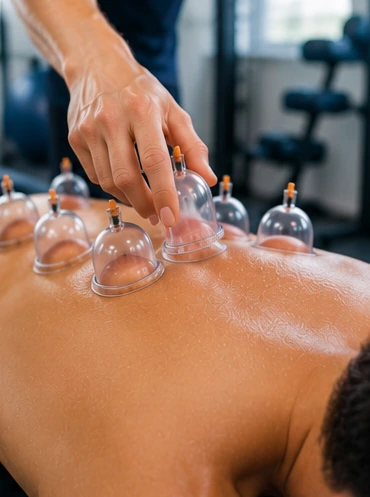
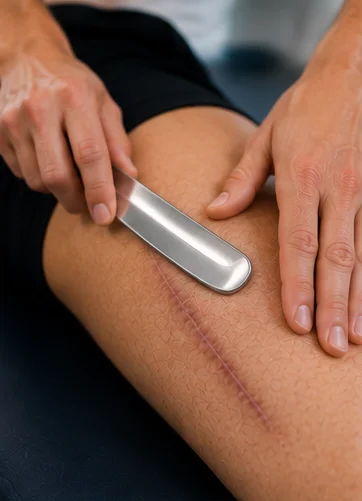
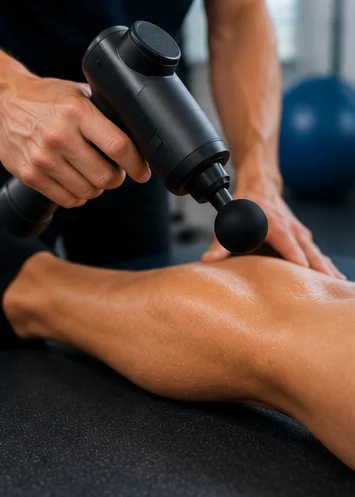
Choose rest or easy active recovery, such as cycling, swimming or walking, according to fatigue and soreness. Your physiotherapist can guide soft tissue work such as massage and release techniques, and help you decide how much to train next. Build back gradually rather than masking an injury.
Where physiotherapy helps
Soft tissue work, mobility and active recovery can help you feel better and move well, and they work best as part of a plan. Your physiotherapist can treat tight or sore areas, guide how recovery fits your training and rehab, and advise when soreness needs assessing. Recovery tools do not replace sleep, food, fluids or sensible training.
Soreness or injury?
General muscle soreness can follow unfamiliar effort. Sharp local pain, a limp, joint swelling or lost function needs assessment. Monitor how you feel, not just the time since the event.
When to get medical help
Call 999: collapse, chest pain, severe breathlessness, or confusion with overheating. Start cooling someone with suspected heatstroke while waiting for help; do not leave them alone.
Seek urgent medical care: muscle pain or weakness much worse than expected, tea/cola-coloured urine, or very little urine. Serious muscle breakdown can occur hours or days after exertion.
After a head impact: headache, dizziness or other symptoms need assessment. Stop sport and do not return the same day if concussion is suspected. Persistent fatigue or declining performance also deserves a review.