Understanding swelling
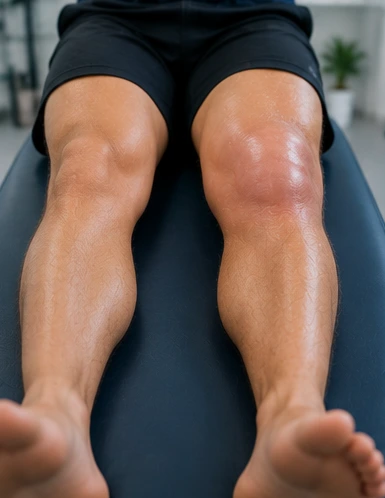
Swelling can follow injury or surgery, but can also have other causes. This guide supports limb swelling once the cause is understood. New, unexplained or worsening swelling needs medical advice.
Your practical self-care plan
-
Start with the cause
Check your plan
After surgery or injury, follow your team’s instructions. Your physiotherapist can assess the cause, as swelling from circulation problems, lymphoedema or another medical condition may need specific treatment rather than the same advice for everyone.
-
Keep circulation going
Move gently
If permitted, your physiotherapist can guide regular gentle joint movements and short walks. Break up long spells of sitting or standing. Stay within any movement or weight-bearing restrictions.
-
Ease the build-up
Elevate & pace
Your physiotherapist can advise how to elevate and pace activity: rest the affected limb supported on pillows or a chair when comfortable, and alternate manageable activity with rest. Reduce the amount if swelling or discomfort increases after activity.
-
Use the right support
Check compression
Compression can help some types of swelling, but needs the right fit and pressure. Ask your physiotherapist or GP before starting it for unexplained swelling or if you have circulation or heart problems.
Look after the skin
Wash and dry gently; moisturise intact skin and check for cracks or pressure marks. Use comfortable clothing and footwear. Follow separate instructions for wounds and surgical dressings.
After a recent injury
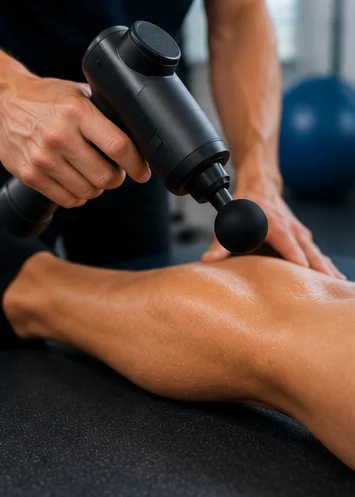
A cold pack wrapped in a towel may help pain for up to 20 minutes; your physiotherapist can advise when it is suitable. Avoid ice with reduced sensation or poor circulation. Do not massage unexplained swelling.
When to get medical help
Call 999: swelling with chest pain, sudden breathlessness, coughing blood, faintness or collapse. Do not drive yourself; these symptoms can indicate a blood clot in the lungs.
Urgent GP / NHS 111: new unexplained swelling in one limb; sudden, severe or rapidly increasing swelling; a hot, red area; fever; or new foot swelling with diabetes.
Arrange a review: swelling that persists or worsens despite your plan. Stop using a new compression support and seek urgent advice if fingers or toes become cold, discoloured, numb or painful.